
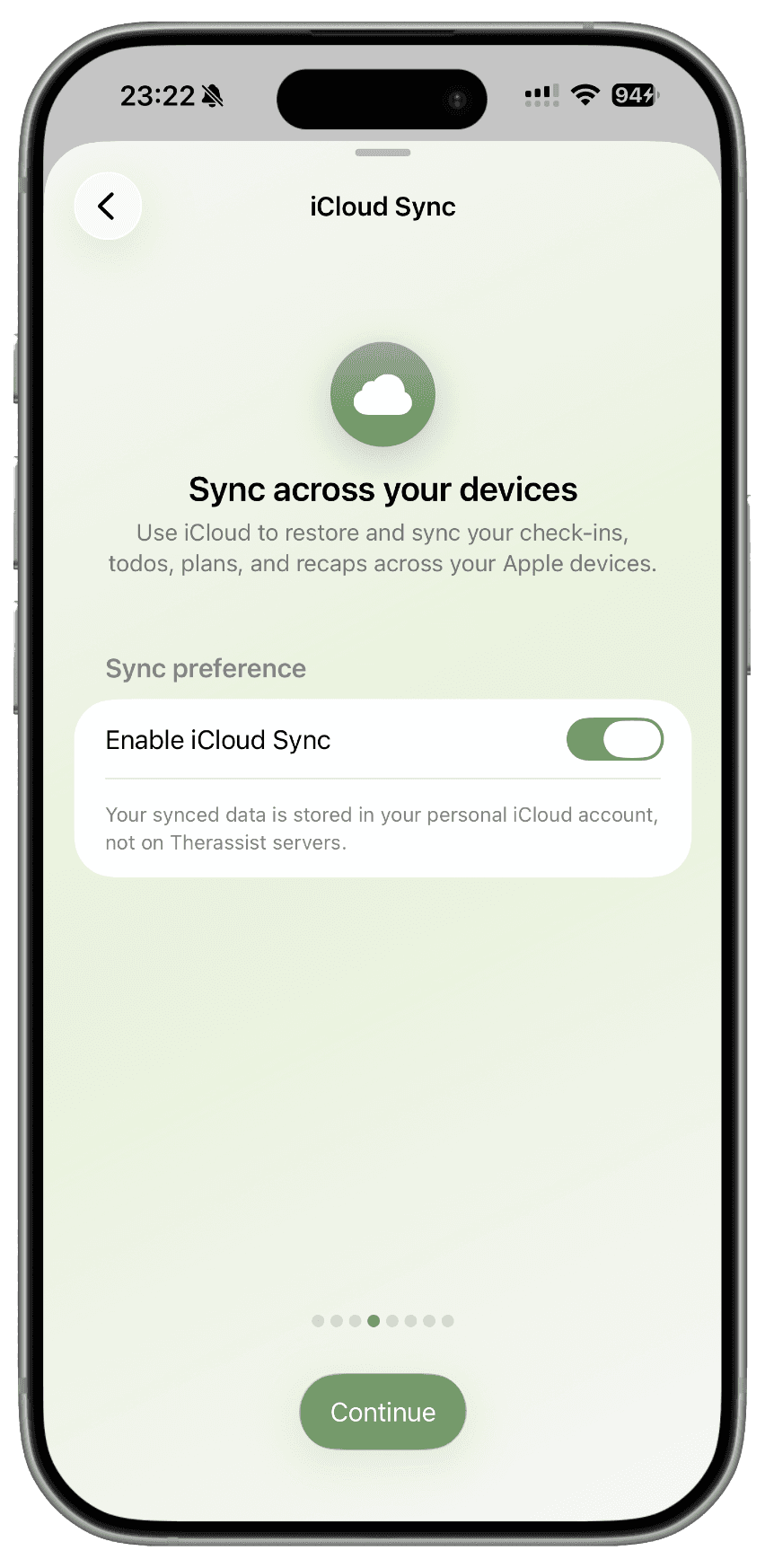
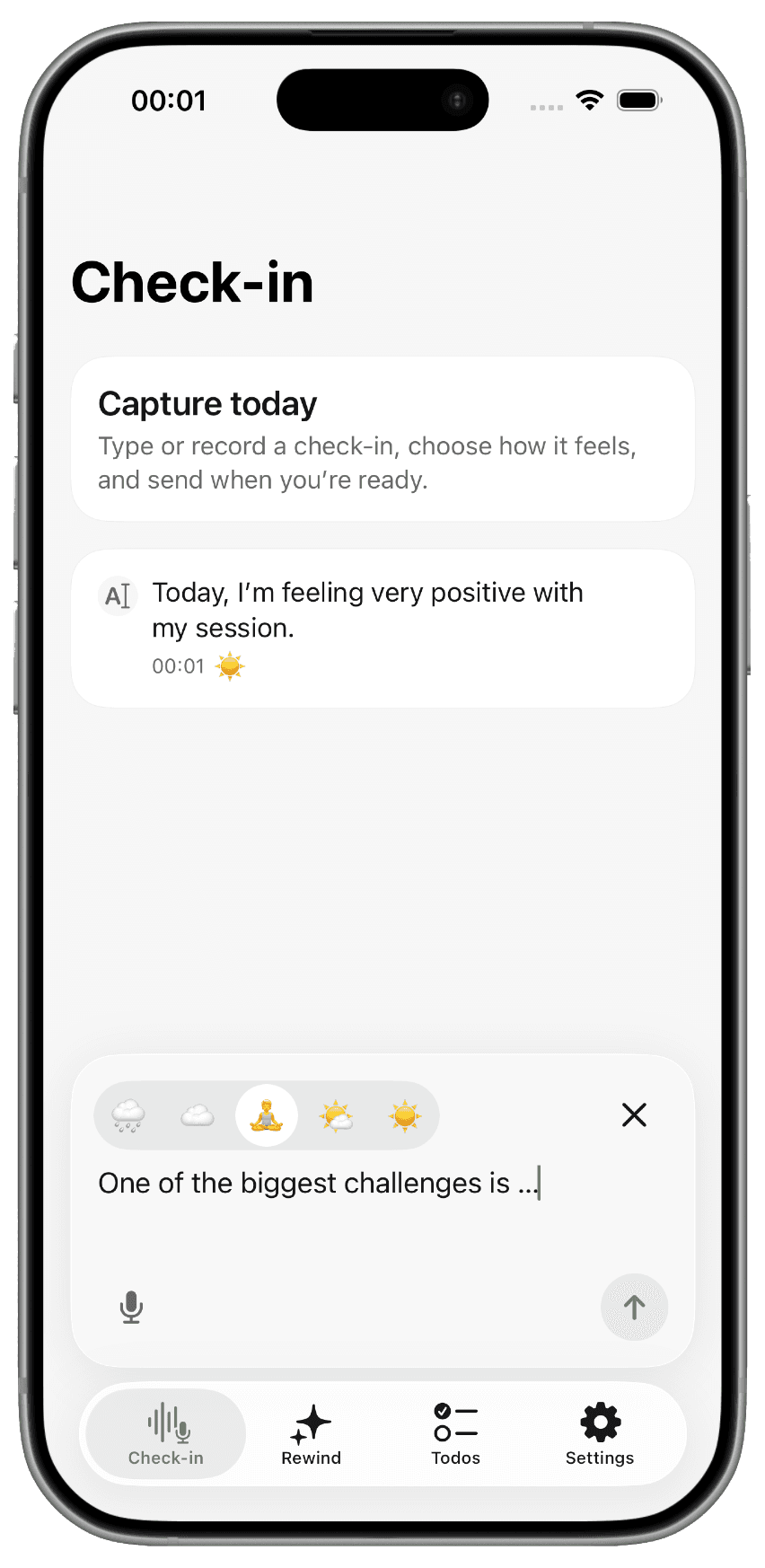
A lot happens between therapy sessions, but most of it gets lost before the next one.
I saw this up close with people I care about.
I wanted to help.
As a product designer, I could see what needed to be built, but shipping it alone was not realistic.
I decided to build it with AI, and this time, I wanted to involve AI in the entire process, not just the build.
The core challenge.
How do you help someone capture emotionally important moments efficiently, then turn those moments into useful summaries without making them feel heavy, clinical, or invasive?
Involving AI did not replace the design process, but made it more efficient and expanded what a designer can do alone. It is not about cutting corners. It is about getting to users faster.
Standard Design Process
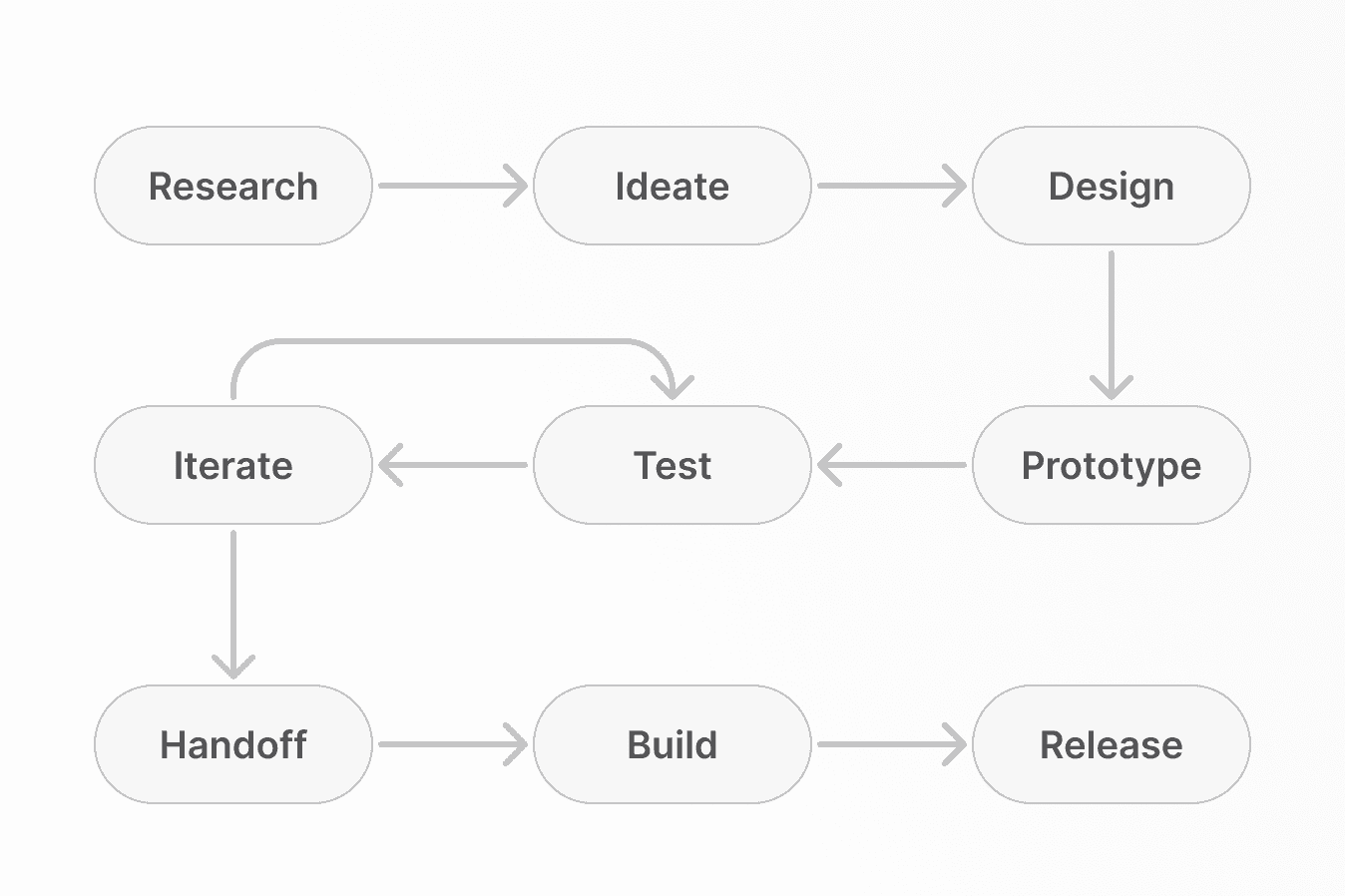
This Project
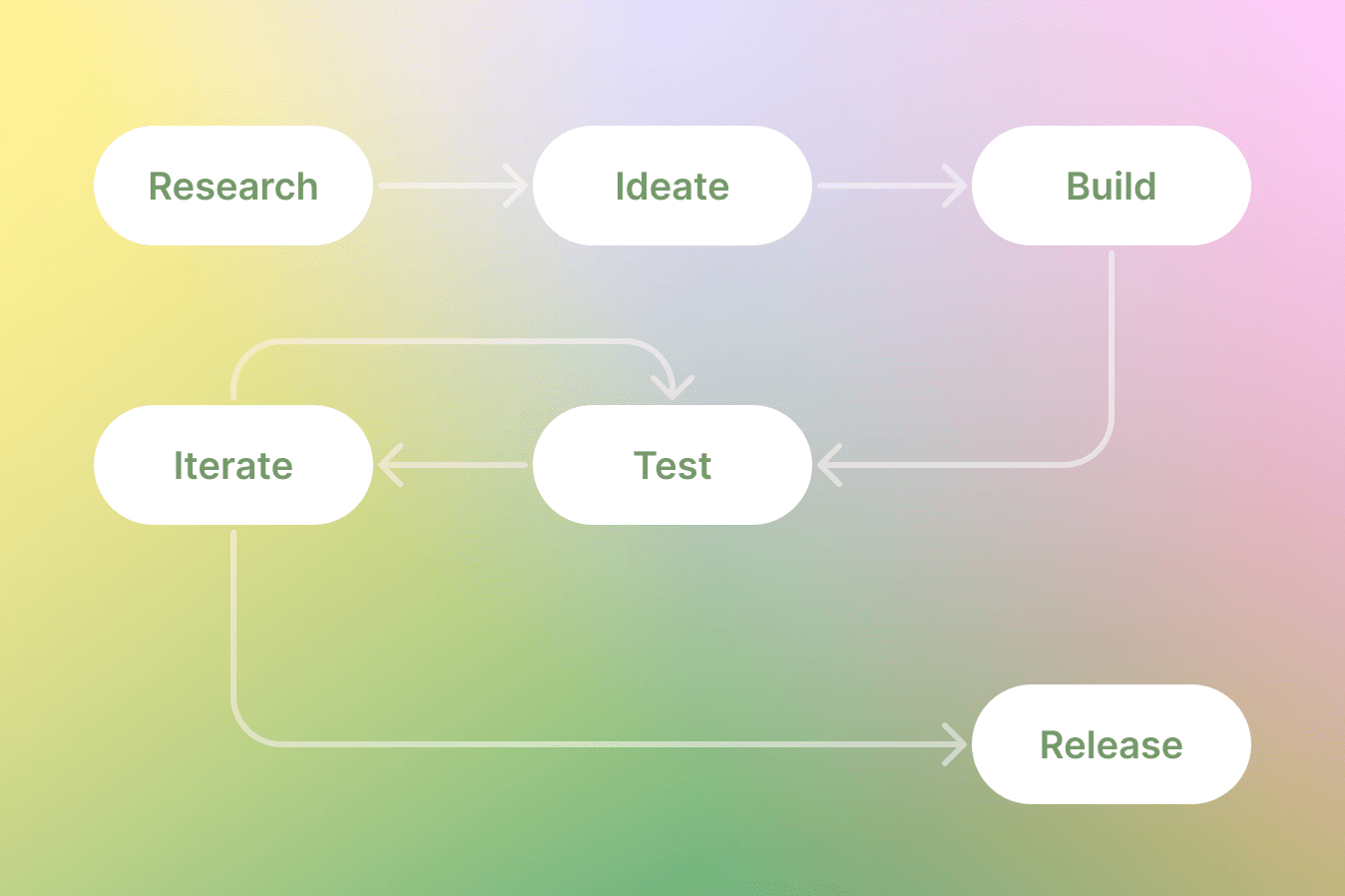
Ideation
With the help of ChatGPT, I combined research and ideation into one conversation. Within a day, I collected and sorted the pain points, pressure-testing feature ideas, and drafted a scoped PRD for MVP. Then I took that back to a real user asking for feedback.
Shipping Early
The first version of MVP was live within days, a real app, on real devices, in real hands via TestFlight. Testing prototypes reveals whether a feature or the UX works well, but real use uncovers realistic insights about user's needs.
Scoping
The priority for MVP was clear: build for the people I care about, on the devices they use. A focused scope meant faster rollout, real feedback sooner, and room to expand to more devices and more users from there.
What Real Use
Revealed
The Problem Was Not the Design
Some users stopped using the app for days because they found the recap summaries were not reliable. The on-device model was too inconsistent for users to trust.
Better structure
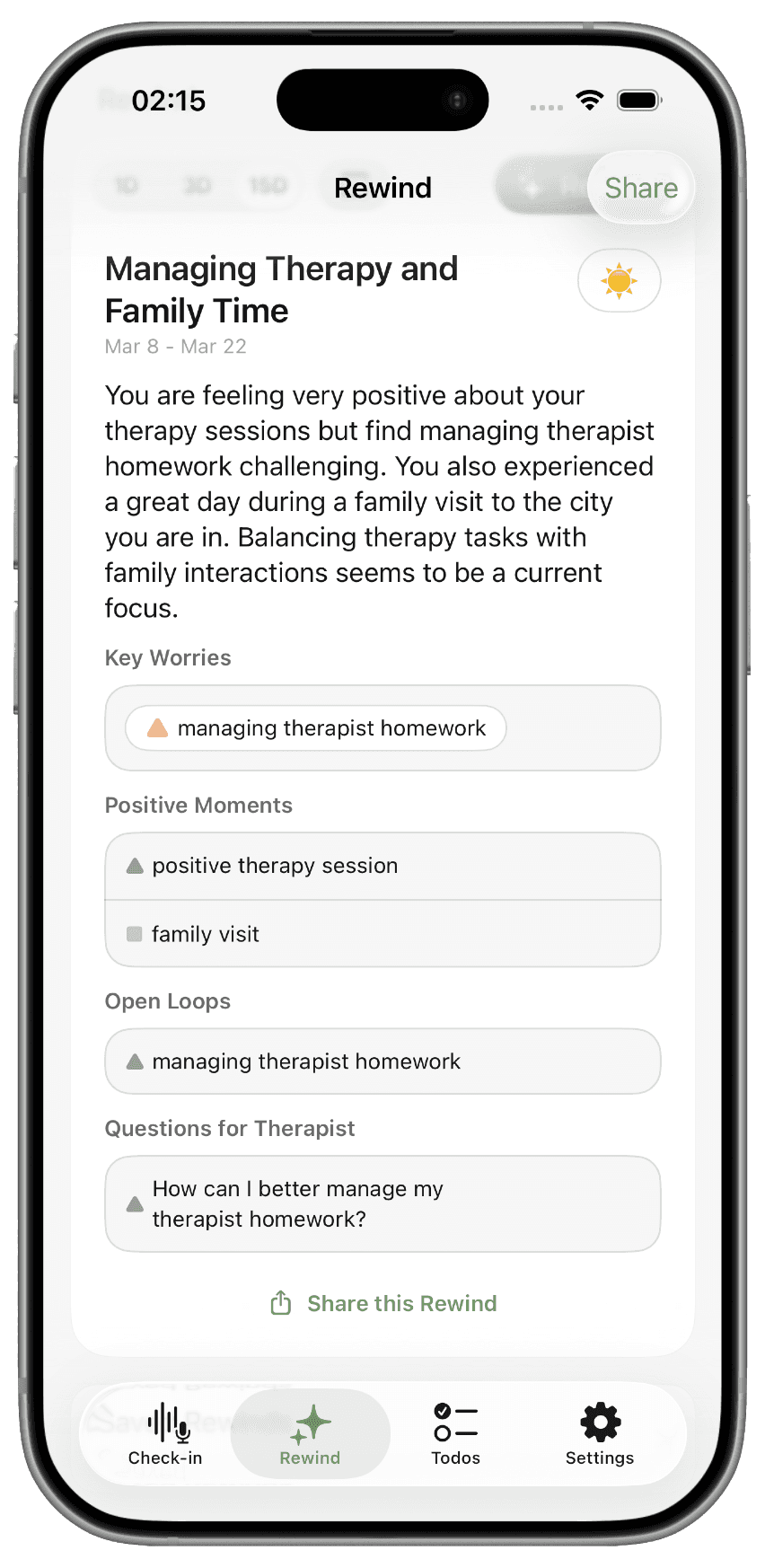
Part of the fix was structure. By switching to specific output fields, the on-device model provides more consistent recaps.
At the same time, users could scan exactly what they needed before a session instead of reading through a wall of text.
Key Worries, Turning Points, Open Loops, Questions for Therapist. Ready to discuss.
Optional cloud recaps
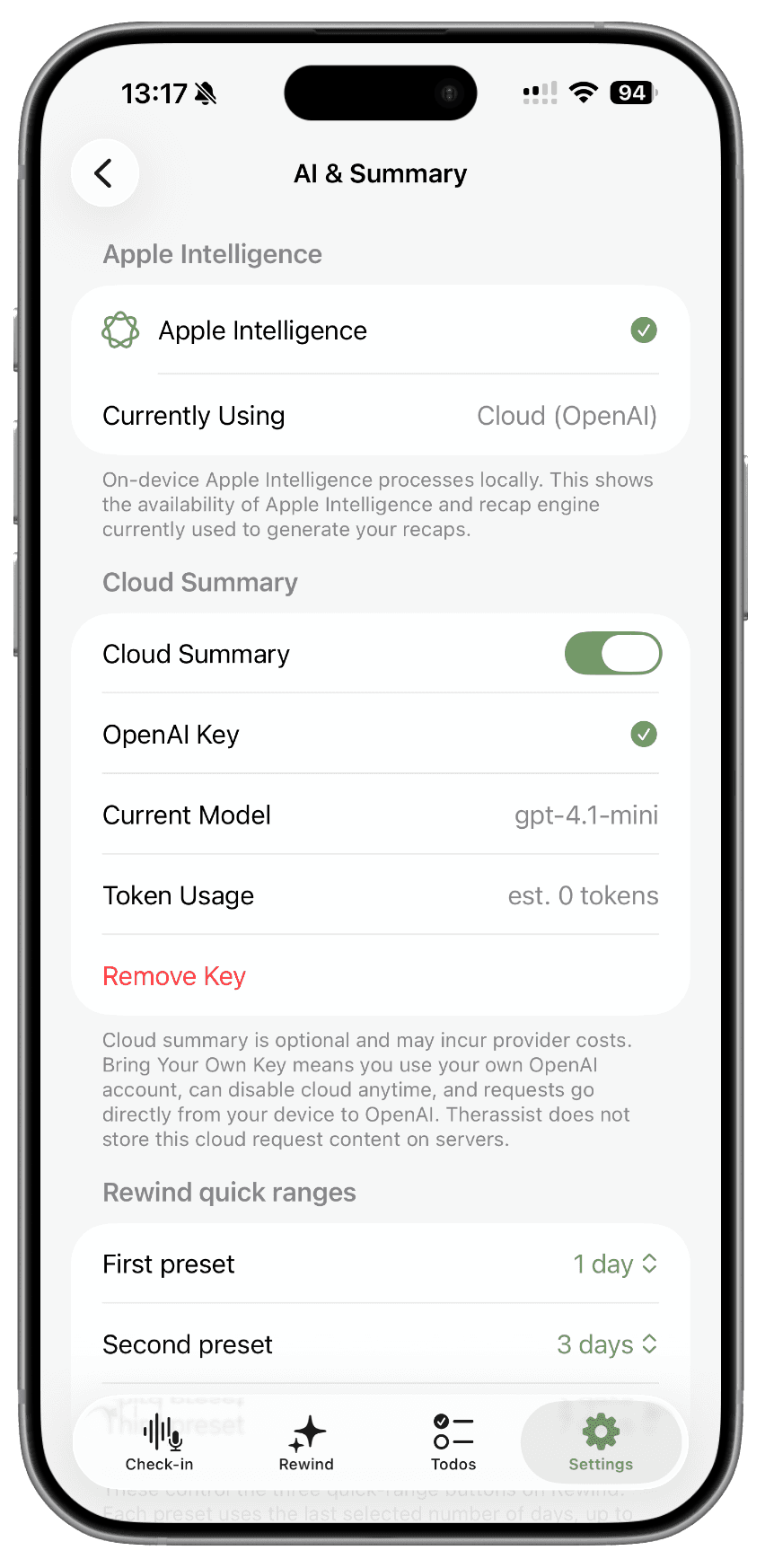
For users who wanted even better summaries, I added an optional cloud model via bring-your-own-token. Privacy stays intact, quality improves, and it remains entirely optional.
Cut a Feature Users Said They Wanted
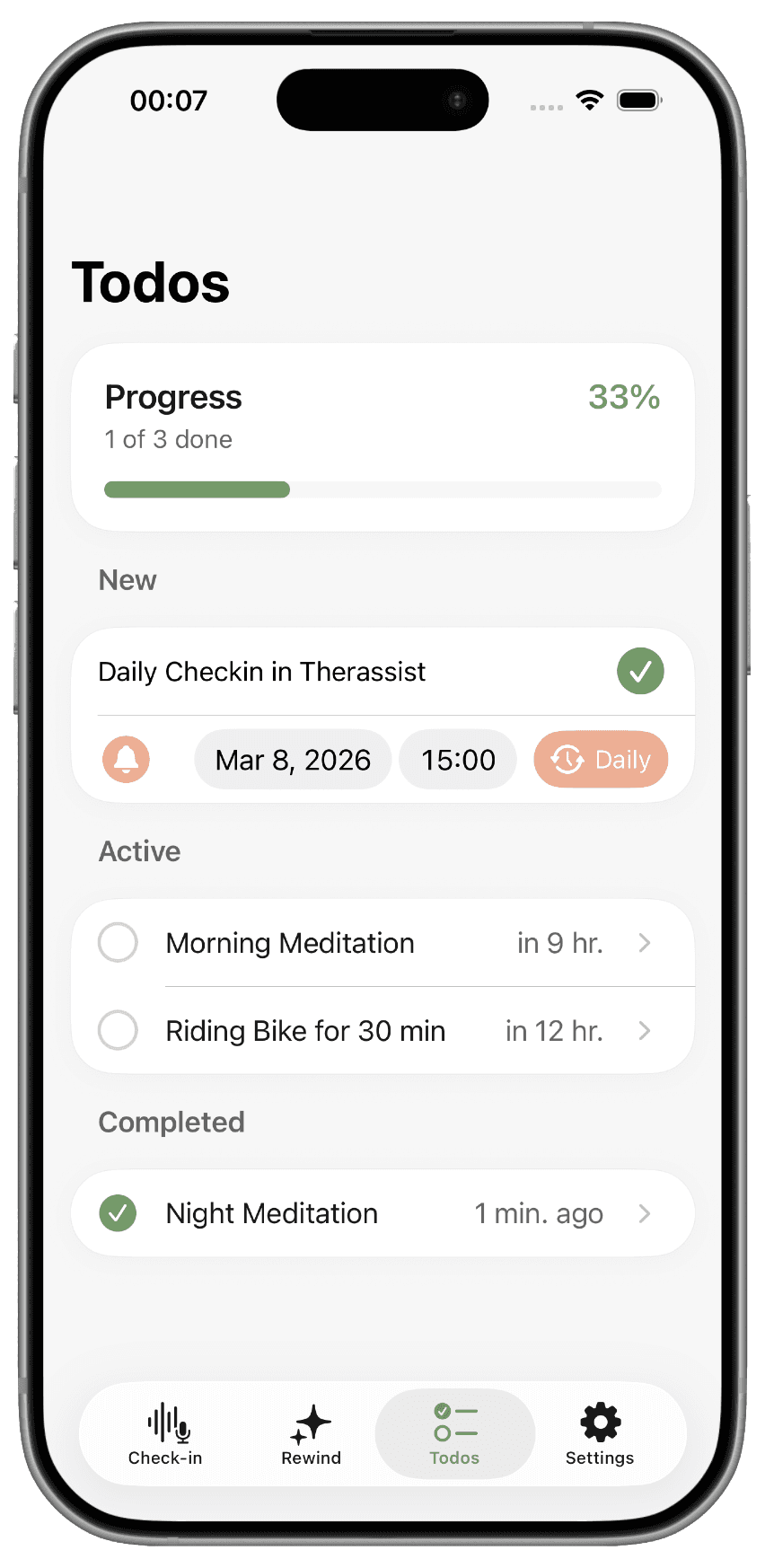
The "Plans" feature grouped recurring therapy homework under a named goal. Users called it a useful feature when they first used it, but they never touched it with daily use.
What usability testing can't tell
The first time users tried it, they liked it. They said they would use it.
During the usability test, when trying something new, users are paying attention.
The test cannot unveil what happens weeks or even days later, when the novelty is gone and real habits take over.
What real use showed is that people stopped using "Plans"
When I asked why, the answer was simple. Repeating "Todos" already covered the need. The "Plans" feature added complexity that did not match how people actually thought about their week.
Simplifying the product
Removing "Plans" was not about the feature being wrong. It was about the product being cleaner without it. Sometimes the best product decision is knowing what to take away.
Insights That Used to Take Weeks
The original recap used calendar logic: daily recap, weekly recap. It made sense on paper.
What real use showed
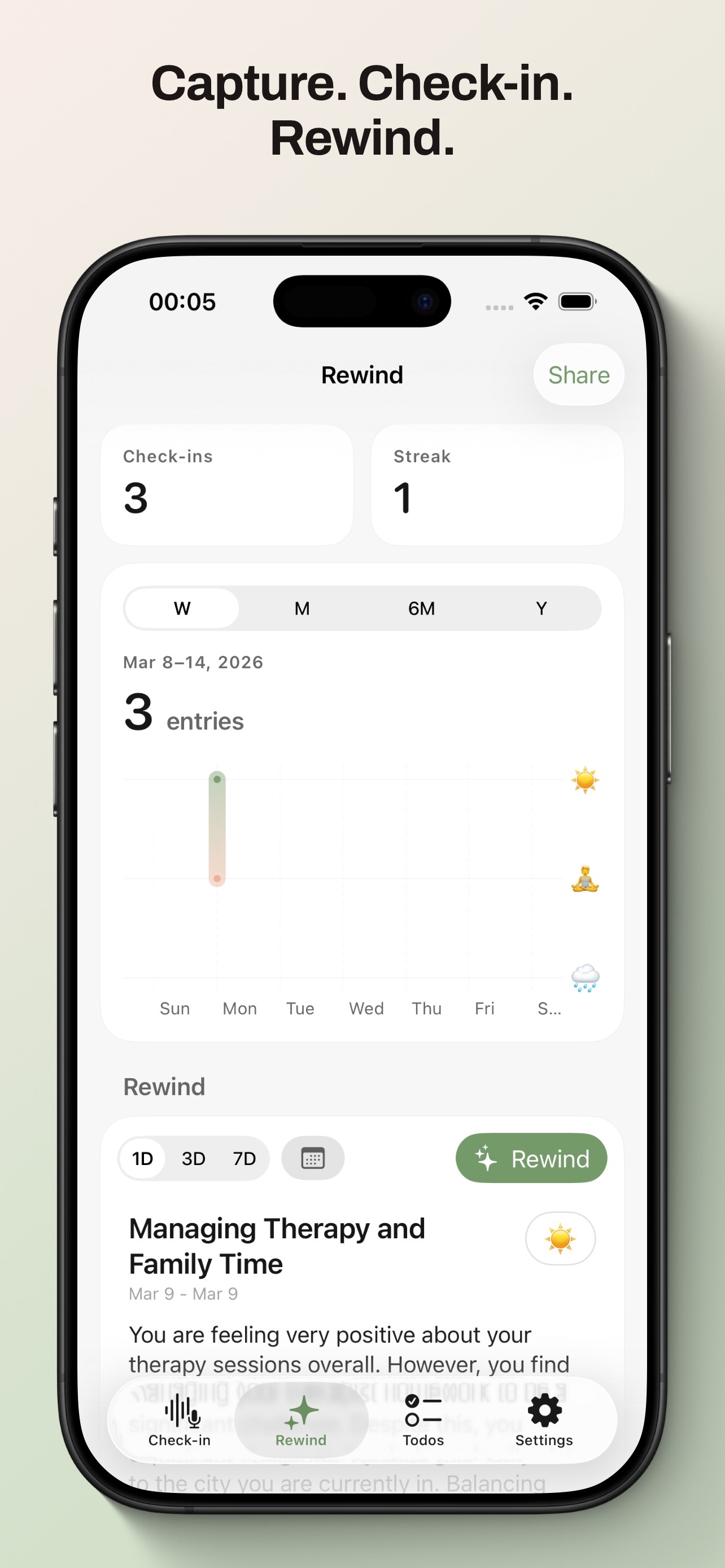
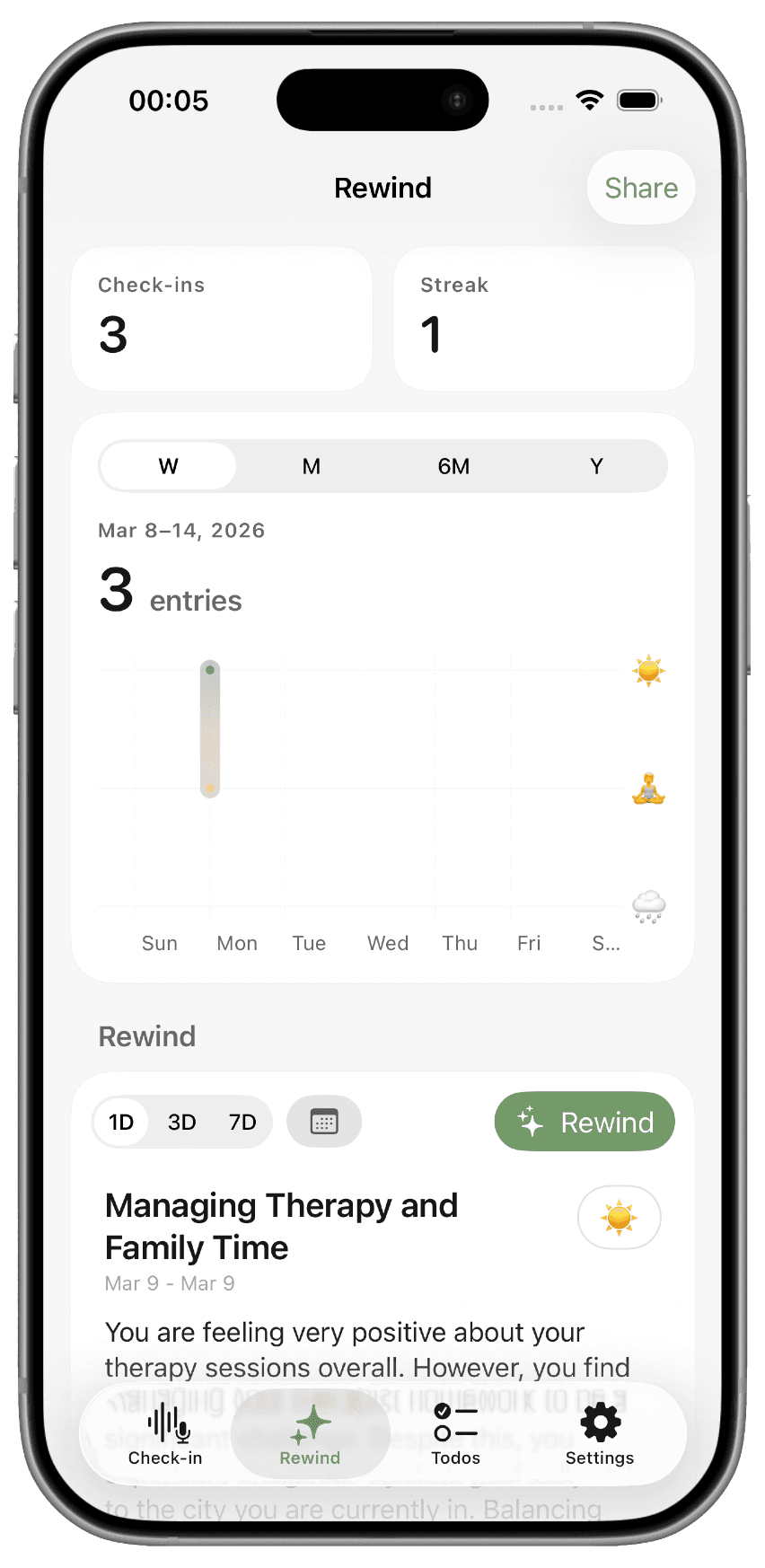
People did not want "this week." They wanted the days since their last session. Last 3 days. Last 5. Last 7. Therapy does not run on calendar weeks. It runs on session cadence.
Summarize any range of days from 1 to 30 days, aligned to how your sessions actually work.

The difference
the new process makes
Traditional research could have found this eventually. Through interviews, synthesis, and iteration cycles, you would get there. But it would take weeks.
With a real product in real hands within days, this insight surfaced naturally through behavior. Poeple used it, and the pattern became obvious.
The process
used to stop at handoff
For a long time, the design process stopped at handoff. We designed, we documented, we handed off to developers, and then waited to see what got built.
AI expands
what designers can do
It gives designers the tools to stay in the process longer, getting real feedback sooner, and closing the gap between what is designed and what actually ships.
Real insights, much earlier
AI also enables a fully functional prototype at a very early stage of the design process. This means we find insights much earlier, before too much has been built in the wrong direction.

Try it Out
Capture the moment
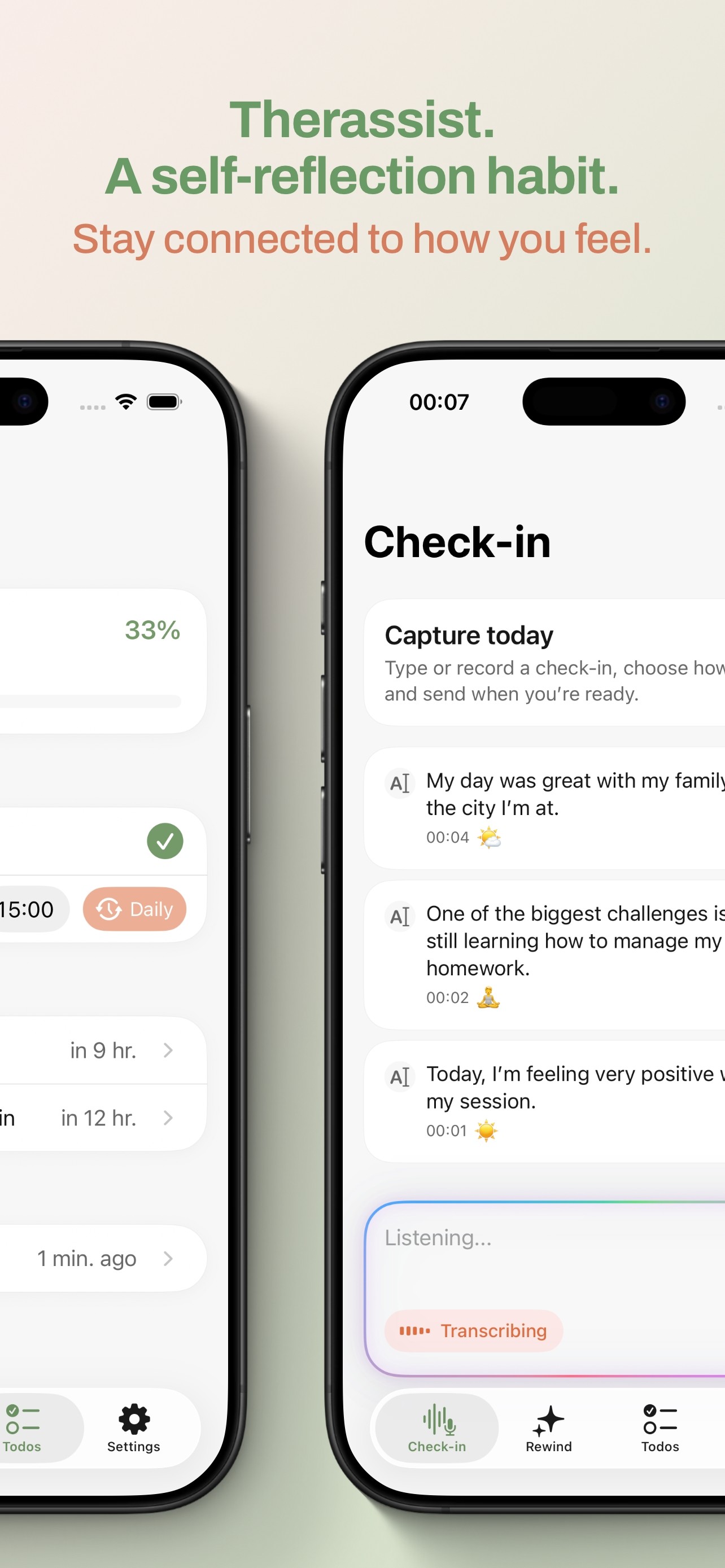
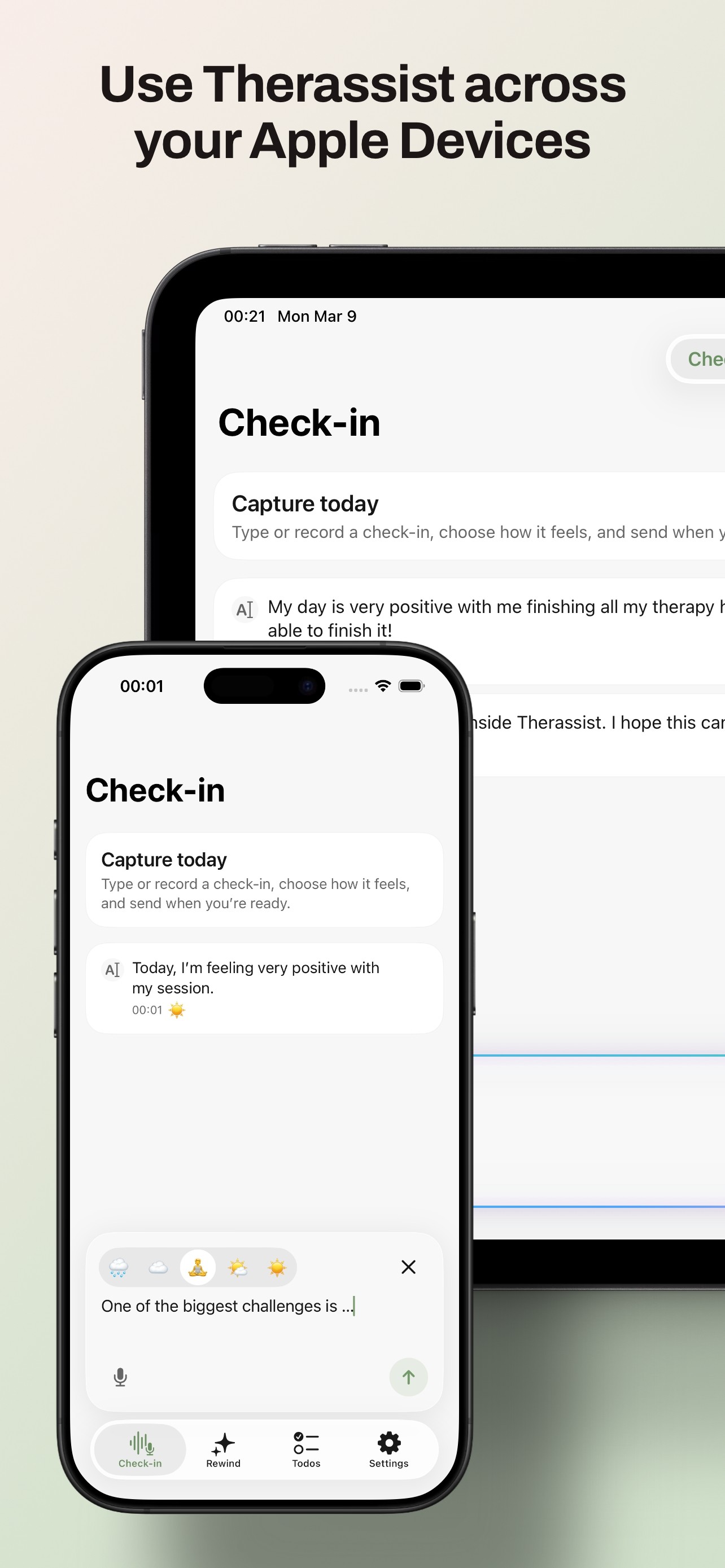
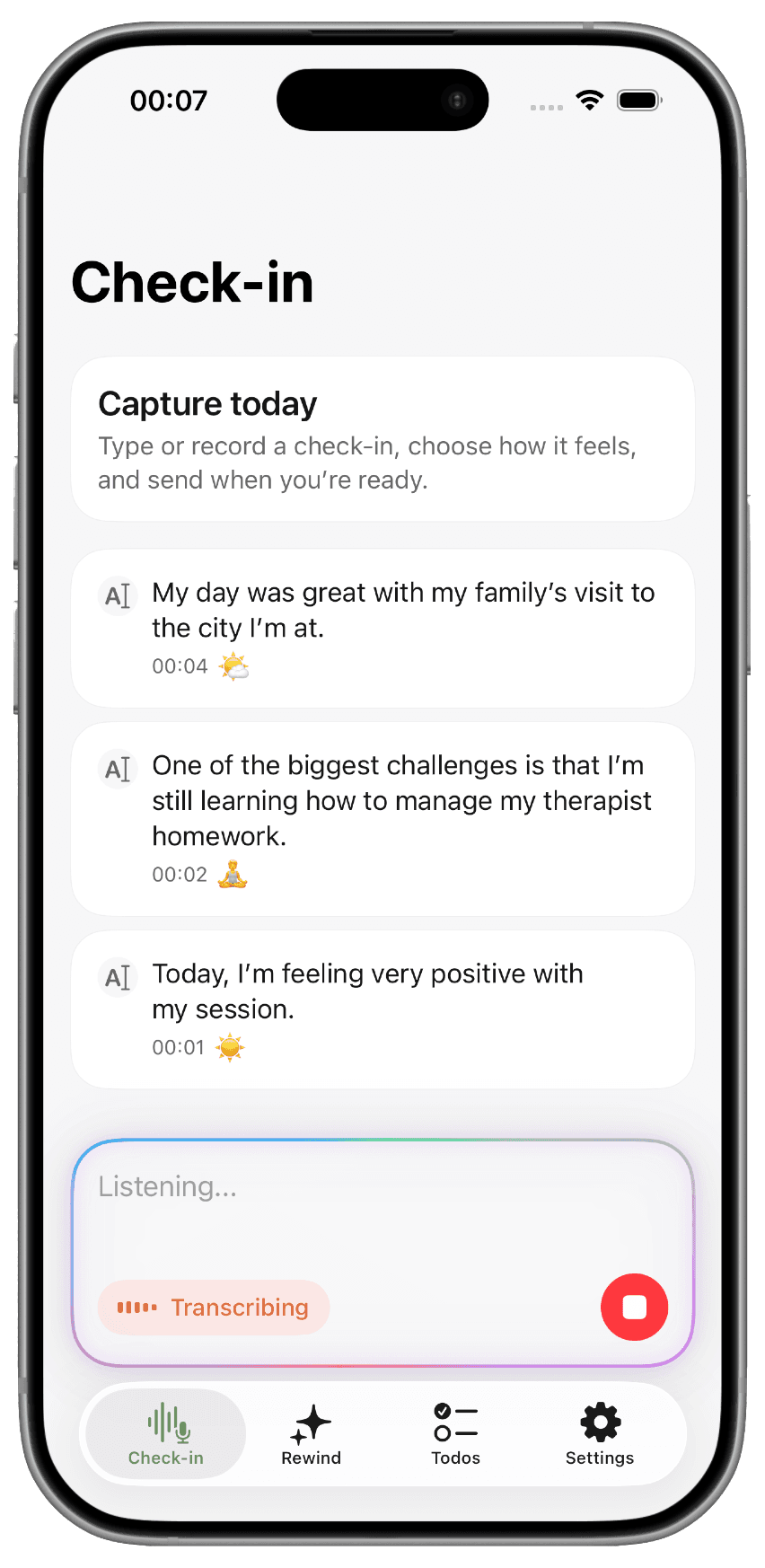
Voice or text check-ins, so nothing important gets lost before the next session.
Skip the app entirely
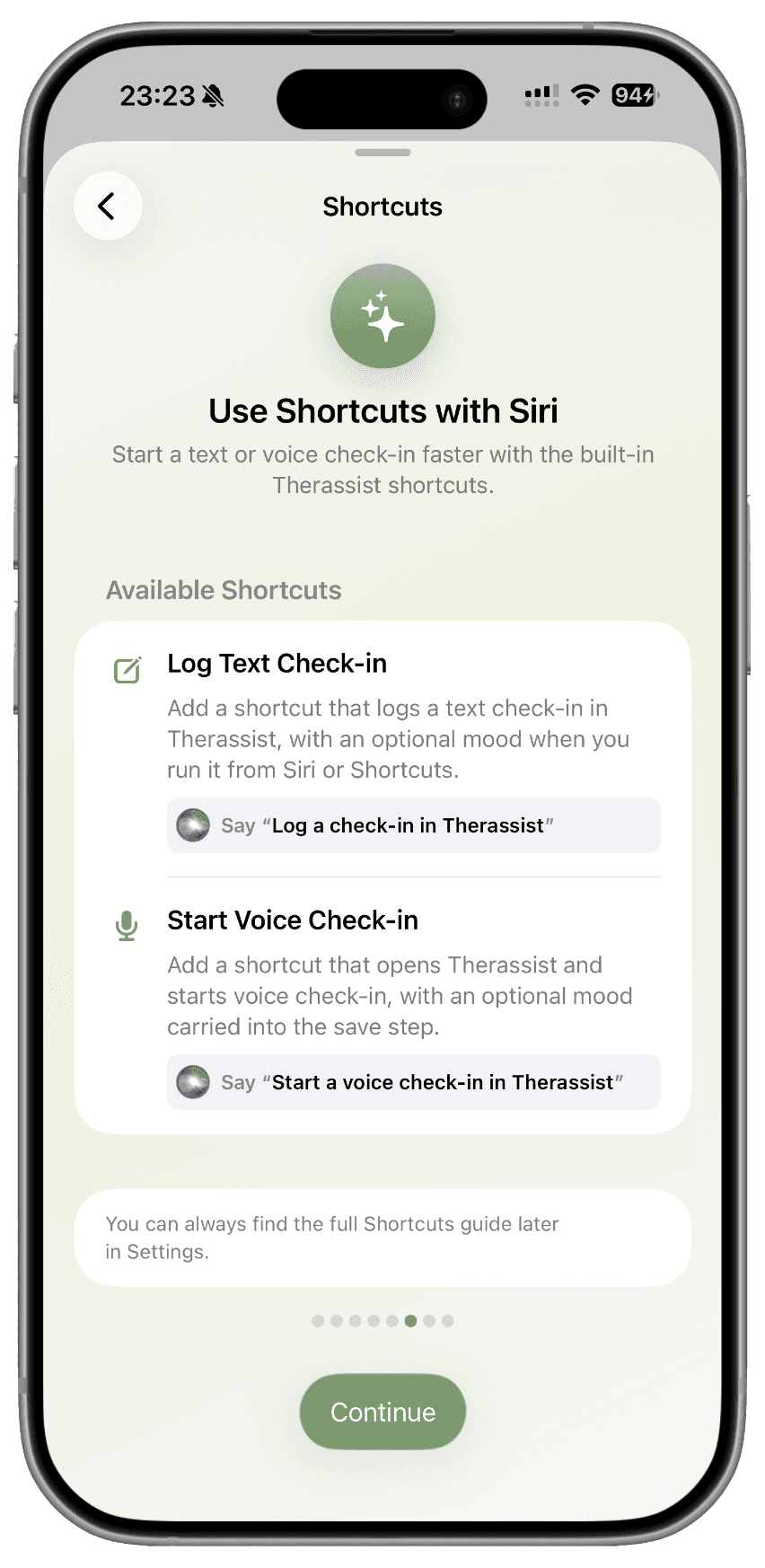
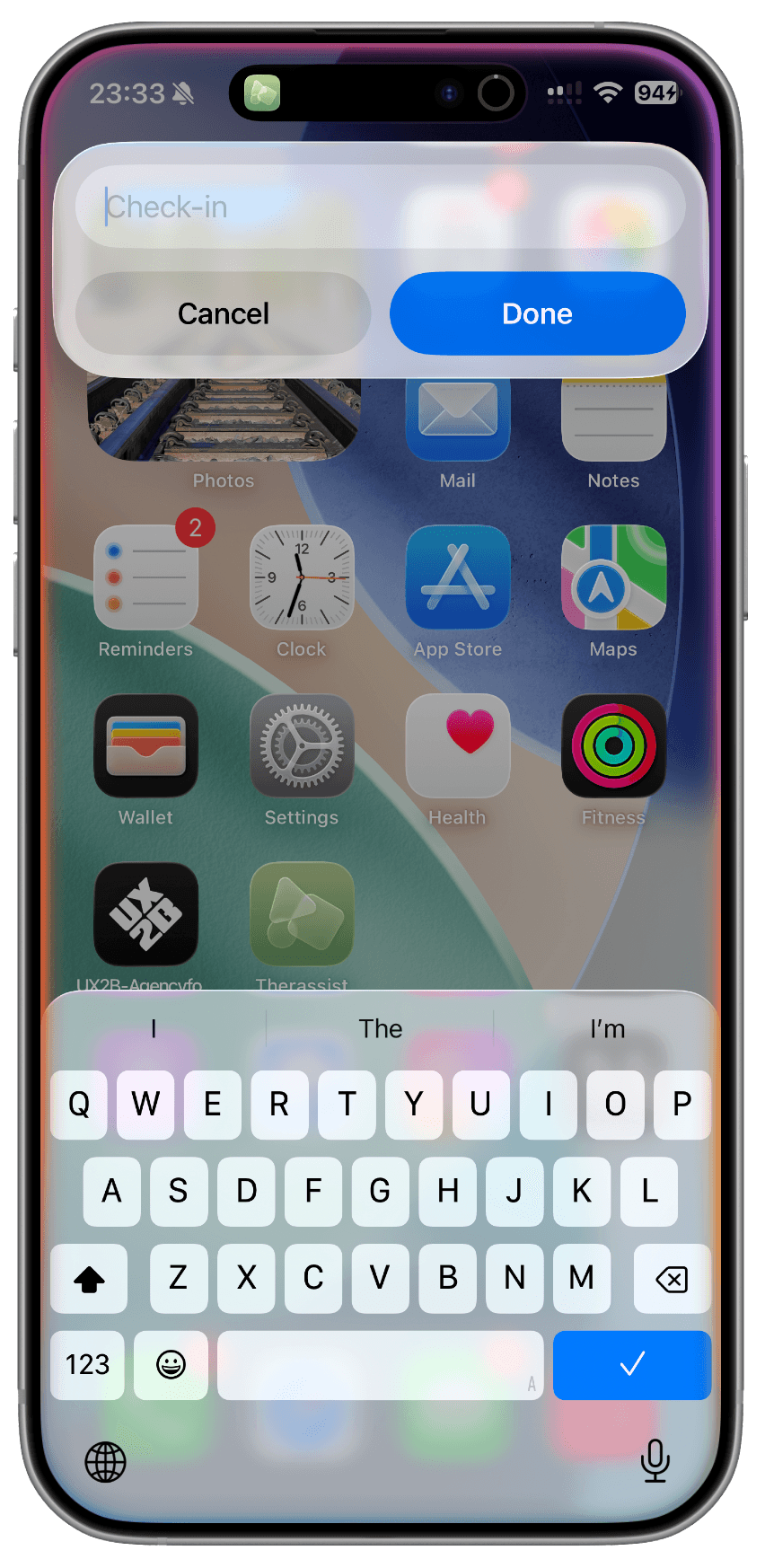
Siri and App Intents let you log a thought without breaking your flow.
Recaps built for therapy
Rewind lets you review any range of days, aligned to how your sessions actually work.
Follow through
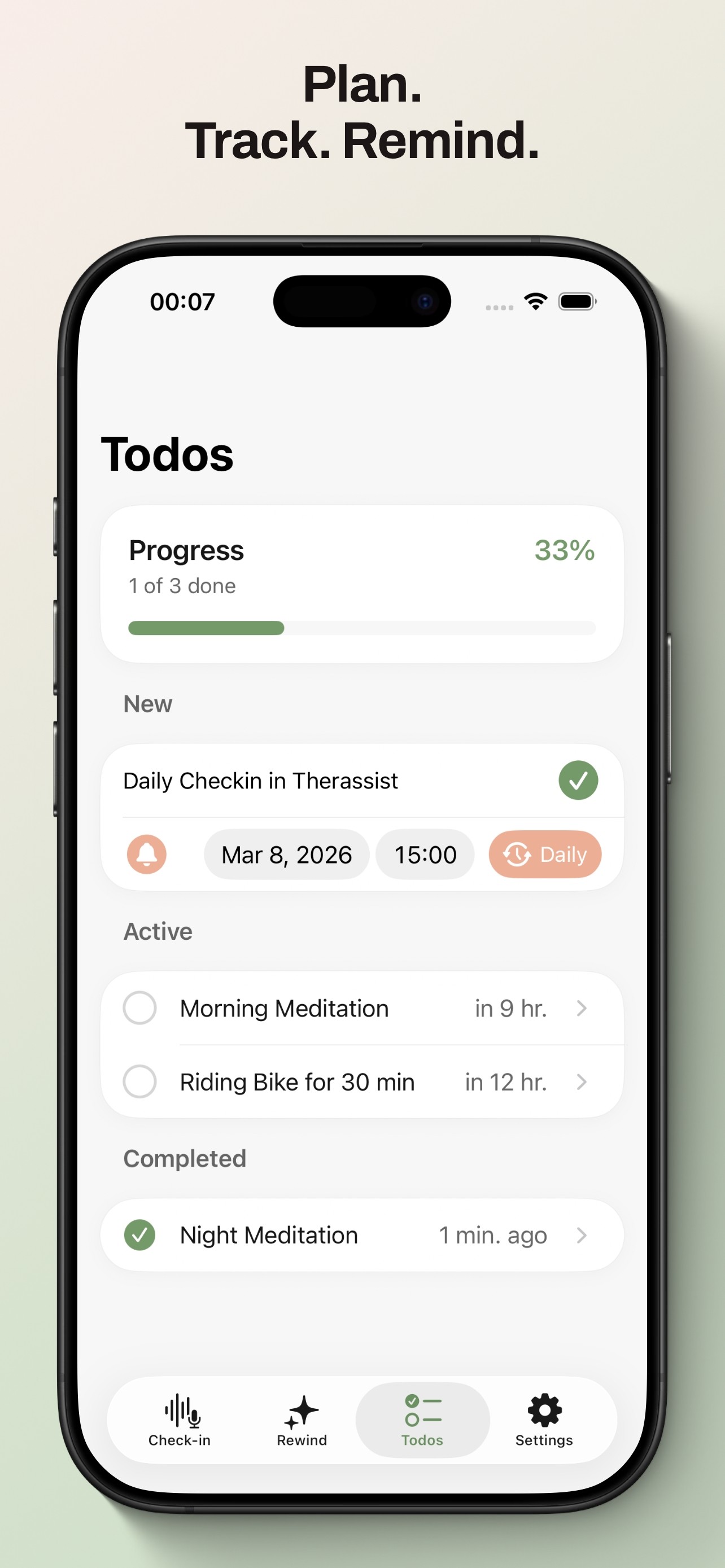
Todos with reminders keep homework alive between sessions.
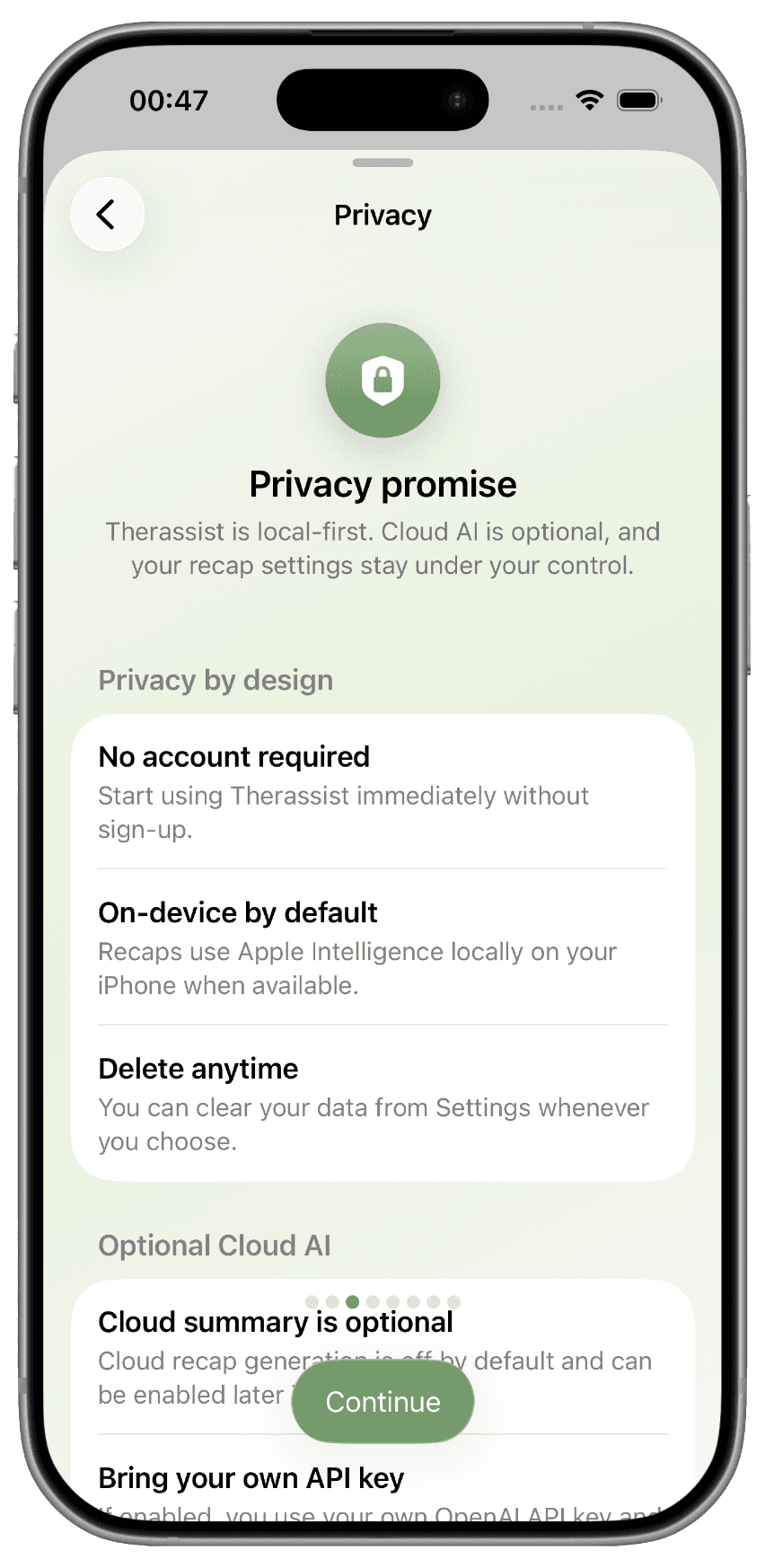
Private by design
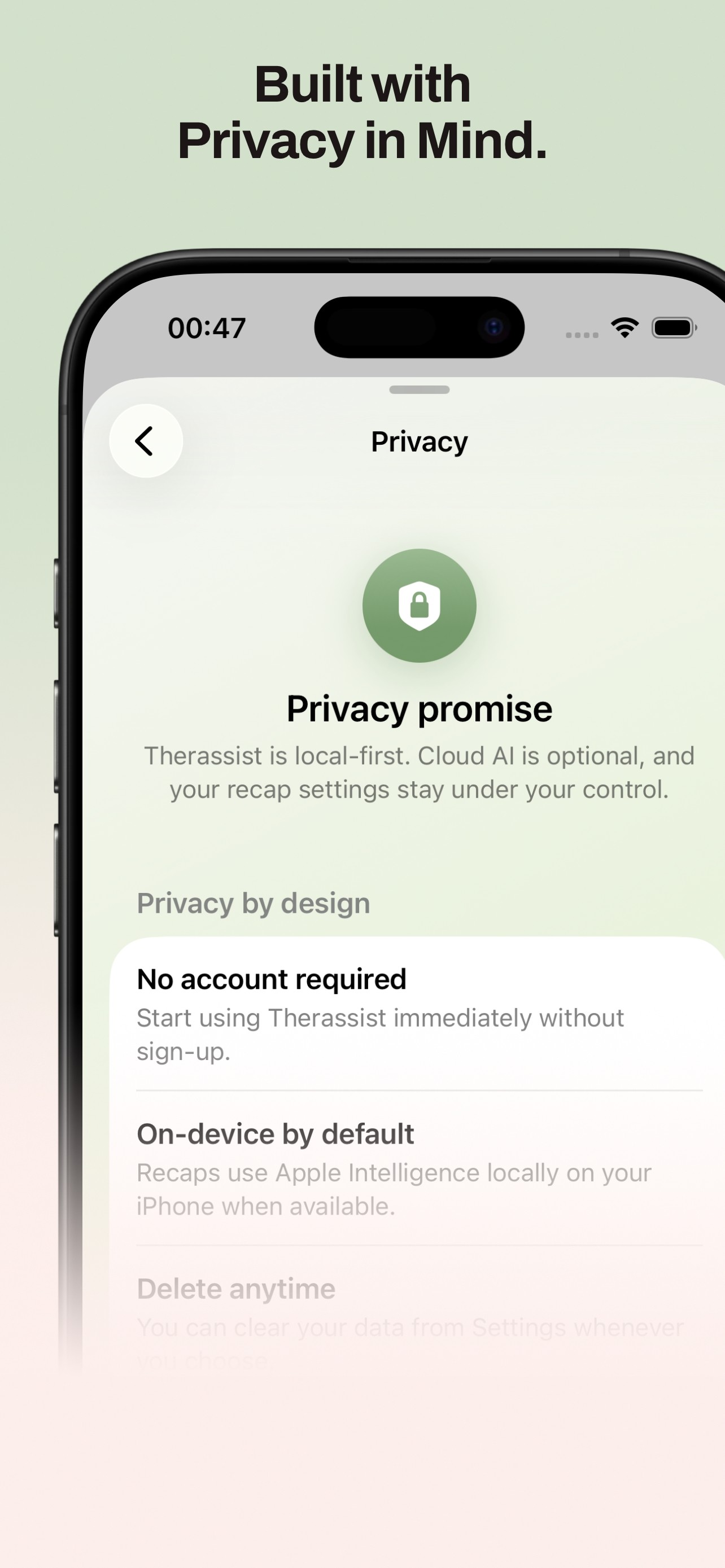
Local-first, cloud-optional, no account. Your data stays yours.

Therassist